
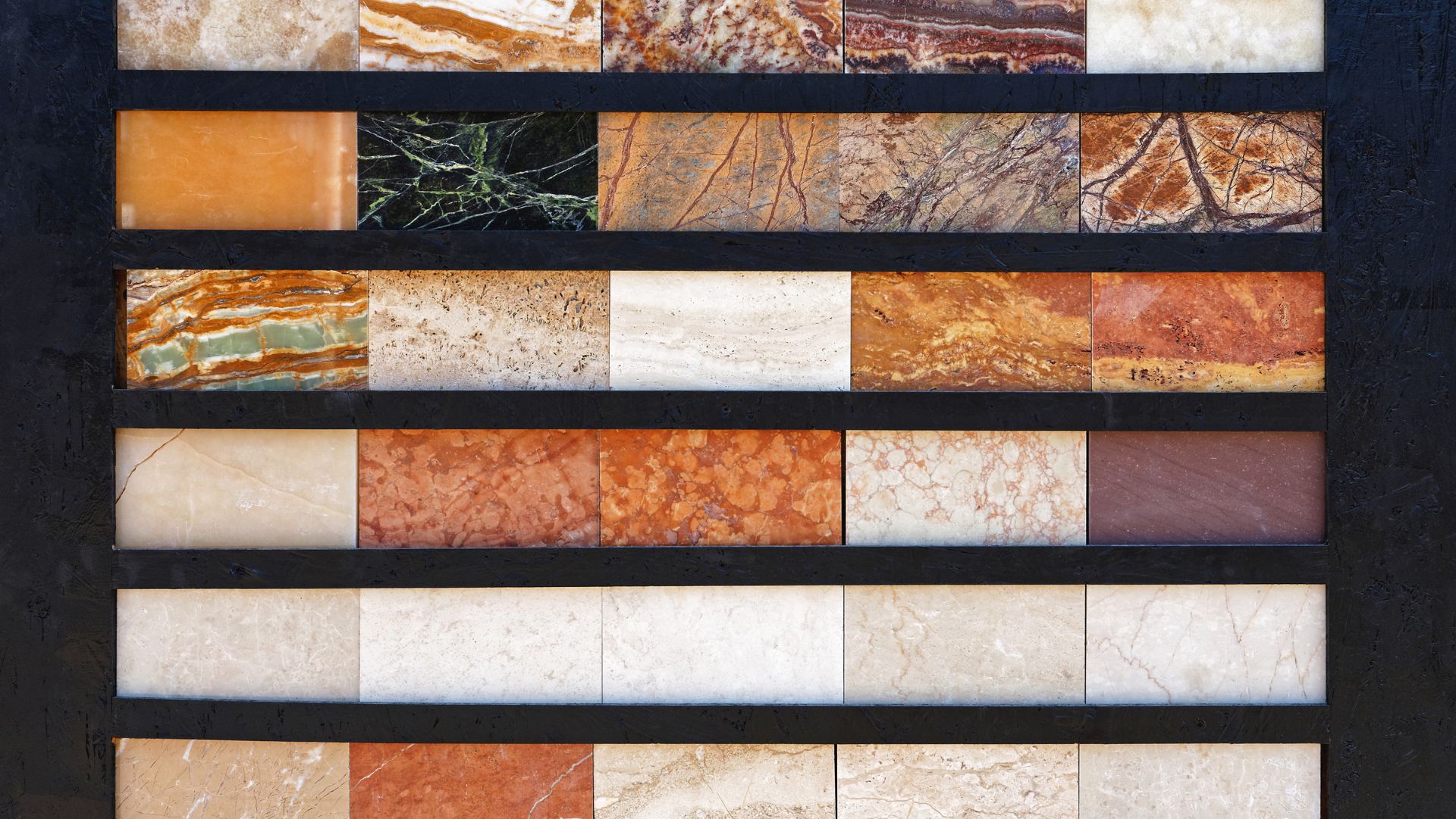
Choosing flooring is one of the most important decisions when designing or renovating a home. Flooring covers a large visual area, influences how spacious a room feels and affects maintenance for many years. For homeowners, architects and builders, three of the most common options are marble, granite and tiles. Each material has its own character, advantages and ideal applications, which means there is no single flooring option that is perfect for every property.
At Milan Marbles, customers can explore marble, granite, tiles and other natural stone options for residential and commercial projects. Understanding the differences before selecting a material can help you create a space that looks better and performs well over time.
Marble Flooring: Natural Beauty That Creates a Premium Interior
Marble has remained one of the most desirable flooring materials because of something manufactured surfaces cannot completely reproduce: every natural marble slab has its own pattern. Veins, shades and subtle variations make each installation slightly different. When marble is used across a living room, entrance, staircase or large open area, it immediately gives the space a more sophisticated appearance.
One of marble’s biggest strengths is its visual depth. Light interacts with polished natural stone differently from ordinary flooring materials, helping interiors feel brighter and more spacious. This is particularly useful in premium homes where the objective is to create an elegant environment without filling the room with excessive decorative elements. A carefully selected marble floor can itself become one of the major design features.
Colour selection is equally important. Light marble can work beautifully with contemporary interiors, wooden furniture and minimalist designs, while deeper or strongly veined stones can create a more dramatic statement. Instead of selecting marble only from a small sample, it is always better to understand how the overall pattern will appear when multiple slabs are installed together. Natural variation is part of marble’s character, so slab selection and layout planning make a major difference to the final result.
Maintenance should also be considered. Marble performs well when properly installed and maintained, but it is a natural material and requires reasonable care. Spills should be cleaned without allowing strongly coloured or acidic substances to remain on the surface for long periods. Periodic polishing may also help restore the appearance of floors after years of use.
Marble is therefore particularly suitable for homeowners who value natural materials and want flooring to contribute significantly to the overall interior design. Living rooms, foyers, dining areas, staircases, feature walls and premium commercial interiors are some of the spaces where marble can create a distinctive result. Rather than simply choosing the most expensive stone, the better approach is to select a marble whose colour, pattern and finish complement the architecture of the property.
Granite Flooring: Strength, Practicality and Natural Character
Granite is another natural stone widely used in Indian construction, but its appeal is slightly different from marble. While marble is often selected primarily for elegance and veining, granite is frequently chosen where strength and practical performance are major priorities. Its dense structure makes it useful for areas that experience regular movement, weight or demanding everyday use.
Granite is available in numerous colours and natural patterns. Depending on the stone, the surface can range from relatively uniform textures to highly expressive mineral patterns. This makes granite suitable for both traditional and contemporary properties. Darker granite can create strong contrast against lighter walls and cabinetry, while neutral granite can blend naturally into larger flooring areas.
Another important advantage is versatility. Granite is not limited to flooring. It is commonly considered for staircases, countertops, wall applications, entrance areas and other surfaces where natural stone is preferred. When the same or complementary granite is used thoughtfully across several elements, it can create visual continuity throughout a property.
For flooring applications, finish selection matters. Highly polished granite creates a richer appearance, while other finishes may be considered based on the required design and surface characteristics. The intended location should influence the decision instead of selecting stone only based on appearance in a showroom.
Granite can be especially attractive for homeowners who want genuine natural stone while keeping durability high on the priority list. However, as with marble, installation quality is extremely important. Poor surface preparation, uneven installation or badly planned joints can reduce the visual impact even when an excellent stone has been selected.
Buyers should therefore evaluate the complete slab rather than judging granite from a photograph alone. Natural stones contain variations, and seeing the actual material helps homeowners understand its colour movement and pattern.
For many projects, granite becomes the practical middle ground between decorative luxury and long-term functionality. It retains the uniqueness of natural stone while offering the robustness required for frequently used spaces. Selecting the right granite depends on where it will be installed, the desired finish and how its colour relates to the remaining elements of the building.
Tiles: Maximum Choice for Modern Residential and Commercial Spaces
Tiles provide a completely different advantage: flexibility. Modern tile collections are available in an enormous range of sizes, textures, colours and visual styles. This gives homeowners and designers greater freedom to create different looks across individual areas of a property while maintaining practical maintenance.
Unlike natural marble and granite, manufactured tiles can offer greater consistency between pieces. This can be useful when an interior concept requires a uniform appearance across a large floor. At the same time, contemporary tile manufacturing has made it possible to achieve surfaces inspired by marble, stone, concrete, wood and many other materials. Homeowners can therefore select a visual style according to their interior concept rather than being restricted to one category.
Another major benefit is application variety. A living room may require large-format tiles with a clean, premium appearance, while bathrooms require surfaces selected with wet-area usage in mind. Kitchens, bedrooms, balconies, commercial spaces and wall applications can all have different requirements. Tiles allow these requirements to be addressed while maintaining a coordinated design language throughout the project.
At Milan Marbles, customers can consider collections from brands such as Qutone, Varmora, Johnson, IBIS, Marfil, Italica and Italake, alongside natural stone options. The right choice should depend not simply on brand name but on the particular collection, size, finish, application and overall design objective.
Tile dimensions are also worth considering carefully. Larger formats can reduce the number of visible joints and create a more seamless appearance in spacious interiors. Smaller or differently proportioned tiles may make more sense for compact rooms, specific wall applications or decorative areas. Grout colour and laying pattern can also significantly change the final appearance.
Ultimately, the decision between marble, granite and tiles depends on the property. Choose marble when natural elegance and individuality are priorities. Consider granite where strength and natural stone character are important. Select tiles when design flexibility, consistency and application-specific options are needed.
The best flooring decisions usually come from seeing the materials together rather than choosing from online images alone. Visiting Milan Marbles allows customers to compare different marble, granite, tile, onyx and natural stone options before deciding what works best for their project.