
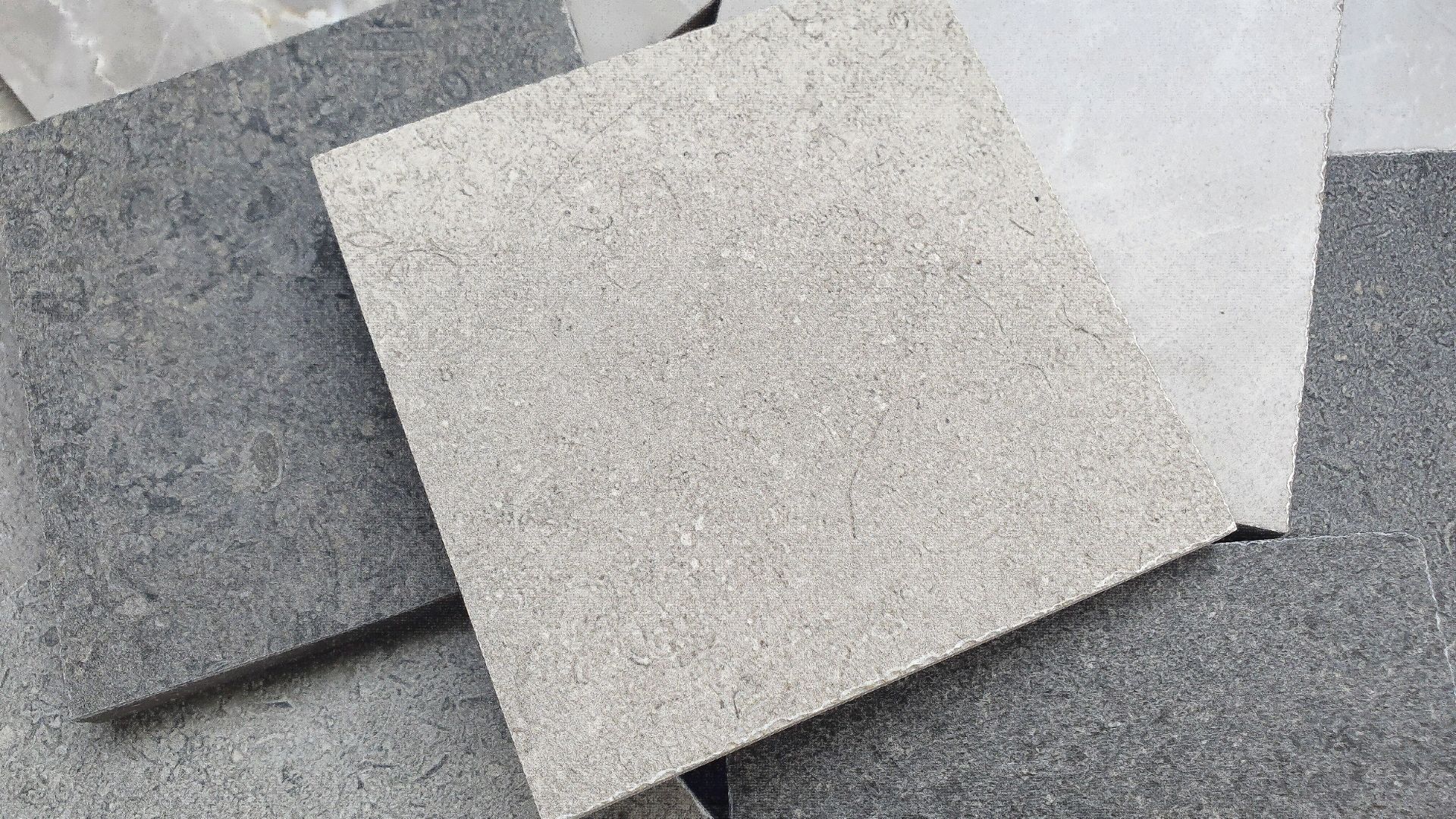
Searching for the best tile brand can quickly become confusing. Customers encounter hundreds of designs, dimensions, finishes and price points, while manufacturers continuously introduce different collections.
At Milan Marbles, customers can explore brands including Qutone, Varmora, Johnson, IBIS, Marfil, Italica and Italake. But the smartest way to shop is not to simply ask which brand is “number one.” Different collections can suit different spaces, design concepts and project requirements.
The better question is: which tile is right for this particular application?
Start With the Room and Requirement Before Choosing a Brand
Brand recognition is useful, but selecting tiles should begin with the project. Before deciding between Qutone, Varmora, Johnson or another manufacturer, establish exactly where the tile will be installed.
A large living room has very different visual requirements from a bathroom. The living area may prioritise scale, continuity and a premium appearance, while a bathroom requires careful consideration of the specific floor or wall application. A kitchen needs to coordinate with cabinetry and countertops, while a commercial property may need surfaces suitable for its particular usage conditions.
Once the application is established, tile size becomes easier to decide. Large-format tiles can create a cleaner visual effect in spacious interiors because fewer joints are visible. However, size alone should never be treated as an indication of quality. Proportion, installation requirements and room dimensions also matter.
Colour should come next. Instead of walking into a showroom and selecting an attractive standalone design, bring the larger interior palette into the decision. Flooring should coordinate with walls, doors, furniture and cabinetry.
Then consider pattern. Marble-inspired tiles can range from extremely subtle to strongly veined. Stone-inspired, contemporary and other decorative designs can create completely different atmospheres. The amount of pattern should correspond with the amount of detail elsewhere in the room.
Finish is another critical part of the specification. Different spaces may require different surface characteristics, and customers should verify that the chosen product is appropriate for its intended application.
Only after these decisions does comparing brands become genuinely useful.
For example, rather than asking, “Should I buy Qutone or Varmora?” a more useful discussion is: “I need flooring for a large contemporary living room, I prefer a light marble appearance, and I want a particular size and finish.” The available collections can then be narrowed down logically.
This approach prevents customers from paying attention only to logos while overlooking the actual tile. A manufacturer may offer several collections covering different aesthetics and applications. What matters is finding the product within that portfolio that fits the project.
A multi-brand showroom is particularly useful because customers can place alternatives next to each other rather than making decisions from separate catalogues.
Compare Qutone, Varmora, Johnson, IBIS, Marfil, Italica and Italake by Collection
When several recognised tile brands are available in one showroom, customers have an advantage: they can compare actual options instead of becoming committed to a single manufacturer before seeing the alternatives.
Qutone, Varmora, Johnson, IBIS, Marfil, Italica and Italake each offer their own collections and design approaches. Availability, specifications, formats and finishes can differ between individual collections, so buyers should evaluate the exact products rather than relying on broad assumptions about the brand.
Start by placing visually similar products together. If you want a white marble-inspired floor, shortlist comparable designs across several manufacturers. View them from a distance, because flooring will eventually cover a large area. Small differences in vein density, background colour and pattern repetition can become much more noticeable once installed.
Next, compare dimensions. A design that looks similar may be available in different formats depending on the collection. The ideal dimension will depend on the room and the desired joint pattern.
Surface appearance should be evaluated under proper lighting. Some flooring reflects light strongly, while other surfaces produce a quieter effect. Neither is inherently superior; it depends on the interior you are creating.
It is also useful to compare the tile against natural material. If the design concept is inspired by marble or stone, looking at genuine marble nearby can help customers understand what visual qualities they value. Some may ultimately choose natural marble for their major rooms, while others may prefer tiles because of consistency or specific project requirements.
Budget should be considered at the project level rather than on an individual piece alone. A homeowner may choose one premium collection for the living and dining area and use different coordinated tiles elsewhere. The entire house does not have to use one brand, provided the overall design remains consistent.
This is where Milan Marbles’ combination of natural stone and multiple tile brands becomes useful. Customers are not forced into choosing between two isolated products from a single catalogue. Marble, granite, onyx and different branded tiles can be compared as part of one material-selection process.
Ultimately, manufacturers provide choices; the designer, homeowner or architect determines how those choices are used.
How Milan Marbles Helps Build a Complete Surface Palette
Choosing individual products is relatively easy. Creating an entire home in which the flooring, wall surfaces, kitchen, bathroom, staircase and decorative elements feel related is considerably more difficult.
This is why material selection should be treated as a palette.
Start with the main surface. For many homes, this is the living and dining flooring because it occupies the largest visible area. Once this is selected, supporting surfaces can be chosen around it.
If the main flooring is a marble-inspired tile, homeowners can choose complementary rather than competing bathroom tiles. If genuine marble is used in the primary living area, tile selections in bedrooms and kitchens can borrow colours from the marble to maintain continuity.
Natural granite can then be introduced where appropriate, while onyx or another expressive natural stone can become a deliberate feature.
Viewing all these materials together prevents a common problem in home construction: every room looks attractive individually, but the house as a whole feels disconnected.
Brand selection should therefore fit inside the larger material plan. There is nothing wrong with using Qutone in one part of a property and another suitable manufacturer elsewhere when the chosen products work together. The visual result is more important than forcing every room to carry the same brand.
Milan Marbles provides access to multiple surface categories under one selection process, including marble, granite, tiles, onyx and natural stones, as well as tile brands such as Qutone, Varmora, Johnson, IBIS, Marfil, Italica and Italake.
For architects and homeowners, this makes it easier to compare textures, colours and patterns physically. It also creates opportunities to balance budget and design by deciding which areas deserve premium natural stone and where tiles provide the preferred solution.
For projects across Chennai, Madurai, Trichy, Coimbatore, Dindigul, Theni and nearby locations, buyers should approach tile shopping with a project-first mindset. Decide the application, visual style, colour direction, format and finish. Then compare suitable collections from the available manufacturers.
The “best tile brand” is therefore not necessarily one universal name. It is the manufacturer and collection that provides the right material for the particular room, design and budget.
And when the whole project is viewed together rather than purchasing one room at a time, the finished property generally looks far more intentional.